




Rongcheng peanuts, with their unique geographical advantages, are fragrant both domestically and internationally
In Rongcheng City, the easternmost part of the Jiaodong Peninsula, the geographical pattern of being surrounded by the sea on three sides has nurtured a unique ecological environment. The Rongcheng peanuts produced here have become a shining business card for local agricultural products due to their distinct geographical advantages. As a national geographical indication product for agricultural products, Rongcheng peanuts not only carry a planting history of two hundred years, but also, with the dual assistance of natural endowment and standardized planting, are exported to overseas markets and have won wide recognition.
The oceanic climate creates a suitable growth environment, which is one of the core production advantages of Rongcheng peanuts. Rongcheng is located in a warm temperate continental monsoon humid climate zone, significantly influenced by the Yellow Sea, resulting in distinct four seasons and a mild climate. It experiences less severe cold in winter and spring, and no extreme heat in summer and autumn. Adequate sunlight is the key to accumulating nutrients in peanuts. The average annual sunshine hours here reach 2578.5 hours, and there is a significant temperature difference between day and night in spring and autumn, creating favorable conditions for the accumulation of peanut sugar and flavor compounds. At the same time, the local average annual precipitation is 785.4 millimeters, and the precipitation distribution shows the characteristics of rain and heat during the same period, which is highly consistent with the growth and development rhythm of peanuts. It not only reduces the impact of drought and flood disasters, but also meets the water demand for peanut growth. The 214 day frost free period ensures that peanuts can fully mature and further improve their quality.
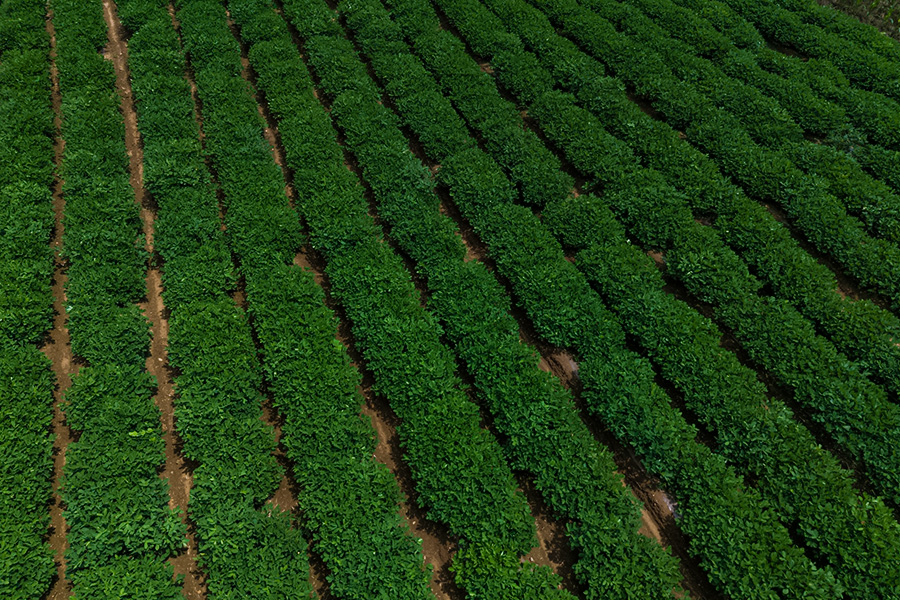
The high-quality soil conditions provide a solid foundation for the growth of Rongcheng peanuts. Rongcheng is located at the eastern end of the low mountain and hilly area in Jiaodong. The soil is mainly brown soil, accounting for 82.25% of the total area of the city. The average soil pH value is 6.4, which is weakly acidic and rich in organic matter, including nutrients such as phosphorus and potassium required for peanut growth. Peanuts are mainly planted in hilly and plain areas, with soil mostly consisting of gravelly loam and sandy loam, with a soil layer thickness of 40-60 centimeters and good permeability, fully meeting the growth requirements of peanuts for deep soil layers and loose texture. This soil condition has enabled Rongcheng peanuts to form distinct characteristics of white fruit, clear mesh, thin shell, and plump seeds. The proportion of double seeded fruits is high, and the seed kernels are elongated and oval in shape, with a pink and smooth seed coat.
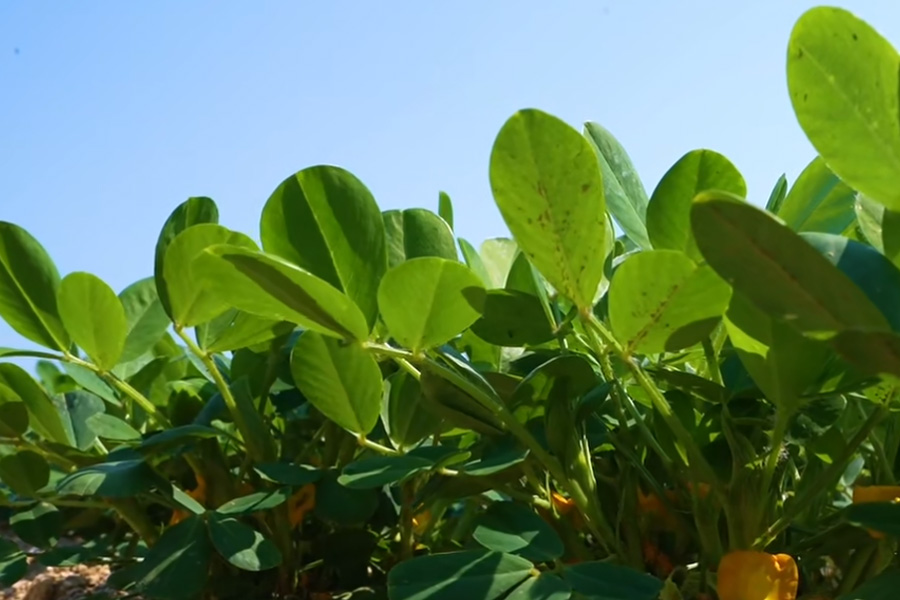
Clean and sufficient hydrological resources safeguard the quality of Rongcheng peanuts. Although the water system in Rongcheng is not developed, the vegetation at the source of the river is dense, with strong water conservation and storage capacity, and the mountain streams and streams are continuous throughout the year. The total storage capacity of various water conservancy projects in the city reaches 260 million cubic meters, with an average annual available water resources of 180 million cubic meters, ensuring effective irrigation for peanut planting plots. It is worth mentioning that there are no large-scale chemical plants, no history of "three wastes" emissions and heavy metal pollution in the local area. The clean water source and soil environment provide natural guarantees for green peanut cultivation.
In addition to its unique natural endowment, the long planting history and standardized production system further amplify the geographical advantage of Rongcheng peanuts. According to the "Rongcheng City Annals," the history of peanut cultivation in Rongcheng can be traced back to the 19th century, with a planting area of 334000 acres by 1936. After years of cultivation, excellent varieties such as Hua 17 and Lu Hua 10 have been formed locally, and through careful breeding by farmers, the characteristics of the varieties are perfectly adapted to the local environment. In recent years, Rongcheng has been listed as a provincial-level peanut standardization demonstration zone and a national agricultural standardization peanut demonstration county. It has established a standardized system for the entire process from seed selection, land preparation and fertilization to sowing management, and promoted an intensive management model of "unified planning and construction, unified technical standards, and unified management review". At the same time, it has built a traceability system for agricultural product quality, achieving full process quality supervision from land to table.
The unique geographical advantage endows Rongcheng peanuts with distinctive quality characteristics. Compared to ordinary peanuts, Rongcheng peanuts have a fragrant and sweet taste, which is not only suitable for direct consumption, but also for processing roasted peanuts, peanut kernels and other products. Relying on these advantages, Rongcheng Peanut has an annual export volume of over 20000 tons, becoming an important agricultural product for export earnings.
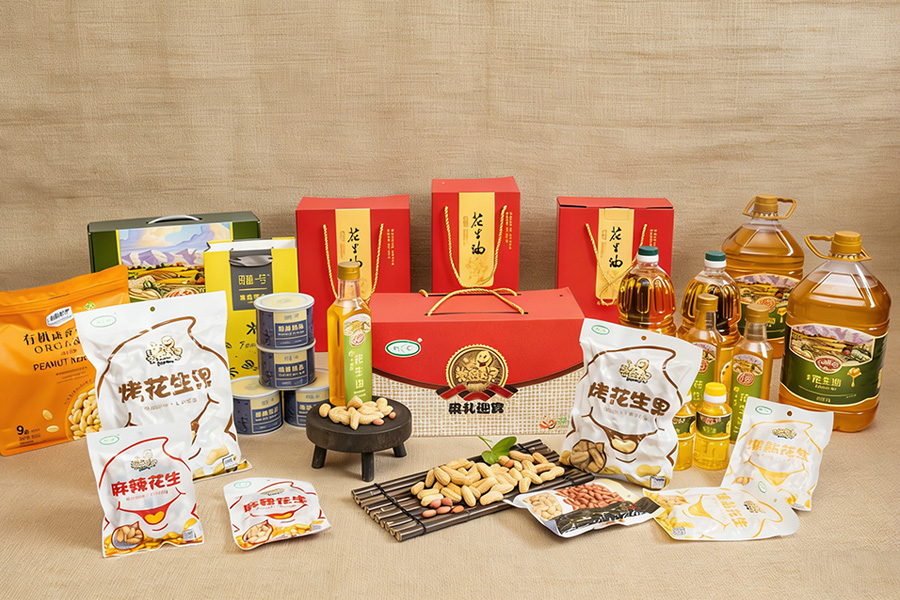
Nowadays, the origin advantage of Rongcheng peanuts has been transformed into brand competitiveness. From unique natural ecology to standardized planting management, from geographical indication certification to widespread recognition in overseas markets, Rongcheng Peanuts is continuously writing a chapter in the development of local specialty agricultural products with its unique charm.